
The One Thing Your Business Needs in 2026
Zach Custer
January 7, 2026
The One Thing Your Business Needs in 2026 (So You Don’t Miss the Kick)
At the start of every year, business owners ask the same question: What actually matters this year?
New platforms pop up. New tools promise shortcuts. And now, AI is everywhere—writing emails, building websites, answering questions for customers before they ever click a link.
But 2026 is different.
According to a recent article from Forbes titled “2026: The Year AI Catches Up to Time,” AI is no longer just analyzing the past. It’s making decisions in real time. And that shift has massive implications for small businesses.
Because when AI gives answers instantly, your business either gets mentioned… or it doesn’t.
There is no second page.
And right now, most small businesses are missing the kick.
From Rankings to Answers: What Changed?
Traditional SEO was built around one goal: rankings.
You optimized pages, earned backlinks, and waited for Google to send traffic. But today, more searches—especially local and service-based searches—don’t result in a list of websites. They result in answers.
AI tools summarize.
Google shows overviews.
Voice assistants recommend businesses.
If your business isn’t structured correctly, AI can’t confidently choose you. That’s why many businesses have zero AI citations, even though they’ve invested in SEO for years.
This is where AI Optimization (AIO) comes in. And in 2026, it’s not optional.
The MAP · NAP · TAP Framework for AI Visibility
At Custer Marketing, we’ve simplified AIO into a framework that’s easy to remember, easy to audit, and easy to prove:
MAP.
NAP.
TAP.
These three steps determine whether AI understands your business—or skips it.
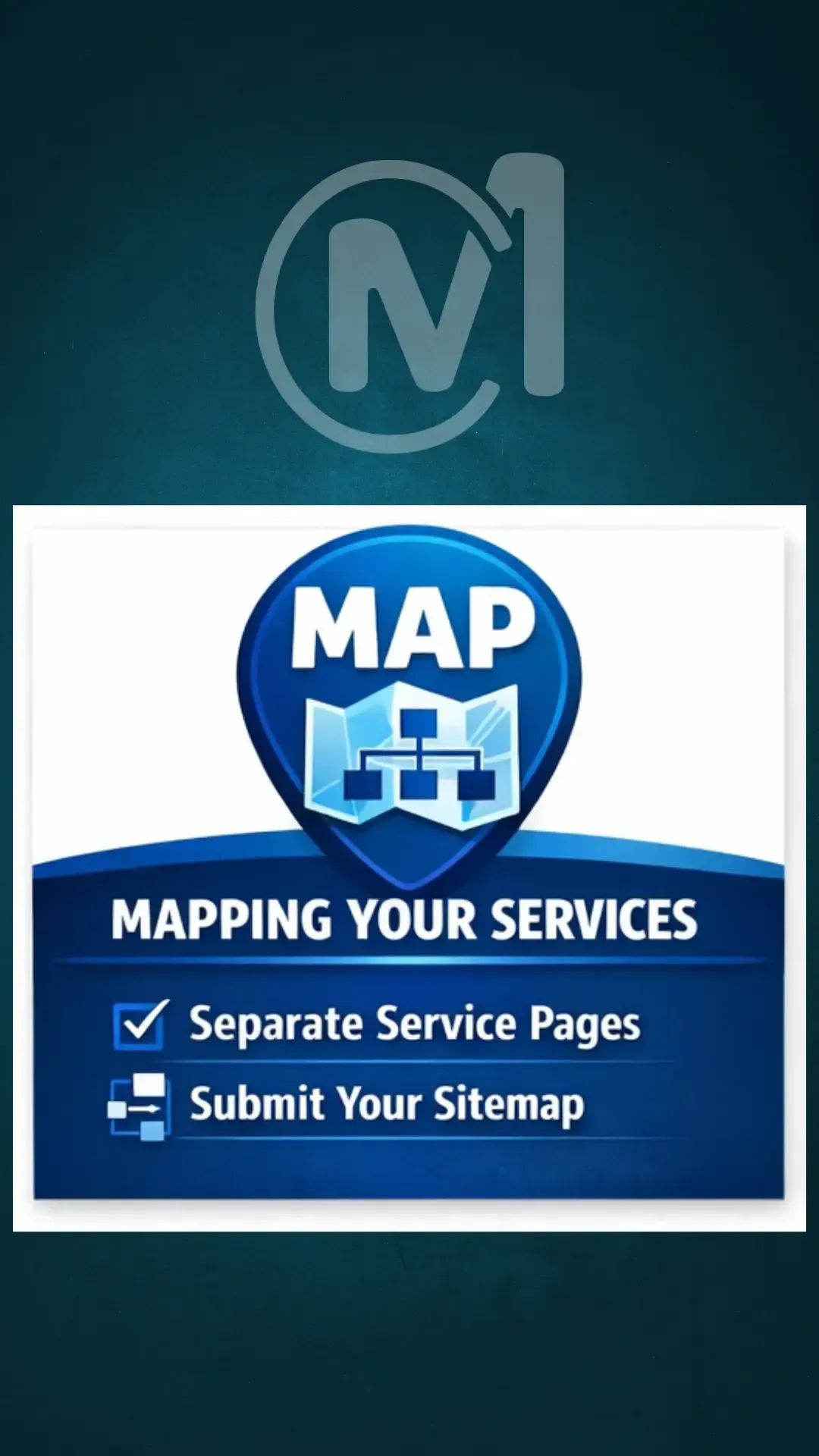
Step 1: MAP — Separate Your Services and Submit Your Sitemap
AI doesn’t “figure it out.” It doesn’t infer meaning well from vague pages.
If all your services live on one general page, AI struggles to know when to show you. That’s why mapping matters.
What MAP means
- Create separate pages for each service.
- Make each page clearly focused on: One service, One intent
- Submit and maintain a clean XML sitemap
This is foundational SEO, but it’s even more critical for AI.
For example, instead of one generic SEO page, Custer Marketing breaks services out clearly through pages like:
Each page tells AI exactly when it’s relevant.
If someone asks AI for “local SEO help in Mansfield,” a clearly mapped local SEO page has a chance to surface. A vague page does not.
MAP is how you become eligible to be selected.
Step 2: NAP — Lock Your Name, Address, and Phone Number
AI does not trust single sources.
Before recommending a business, AI cross-checks information across:
- Your website
- Your Google Business Profile
- Directories
- Mentions around the web
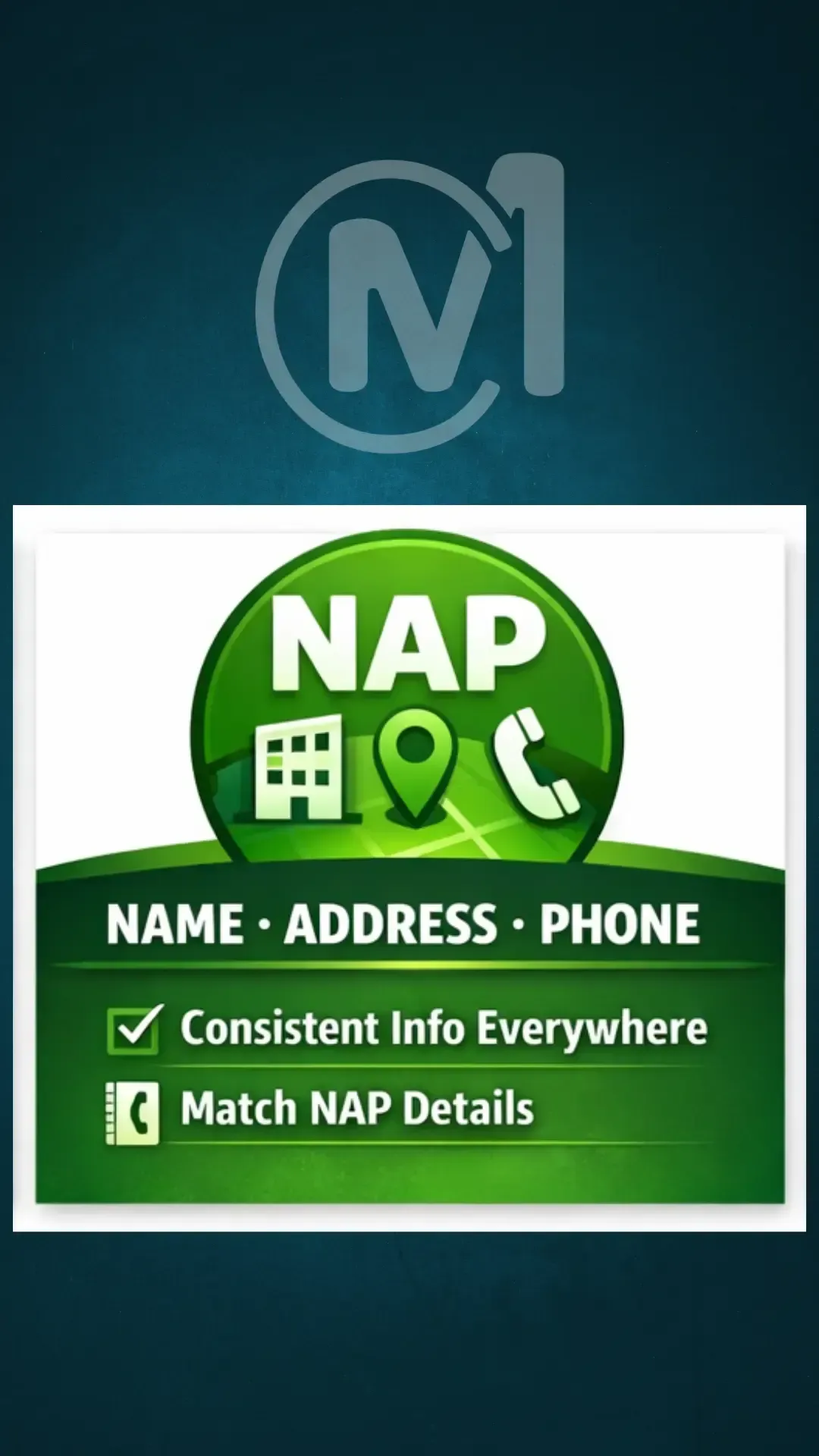
If your Name, Address, or Phone number is inconsistent—even slightly—AI loses confidence.
What NAP means
- Your business name must match everywhere
- Your address formatting must match everywhere
- Your phone number must match everywhere
Not “close enough.” Not “basically the same.” Exact.
This is especially critical for local visibility and is why Local SEO remains foundational even as AI evolves. If your NAP isn’t locked in, AI cannot confidently recommend you for time-sensitive searches like “near me” or “available now.”
This is one of the first things we audit when helping businesses with Local SEO strategies, because without trust, nothing else matters.
NAP is how AI decides it can trust you.
Step 3: TAP — Create Content People Actually Want to Click
This is where most businesses are getting it wrong. AI makes content creation easy—but easy doesn’t mean effective. Flooding your site with generic AI-written blogs does not help AI choose you. In fact, it often hurts clarity.
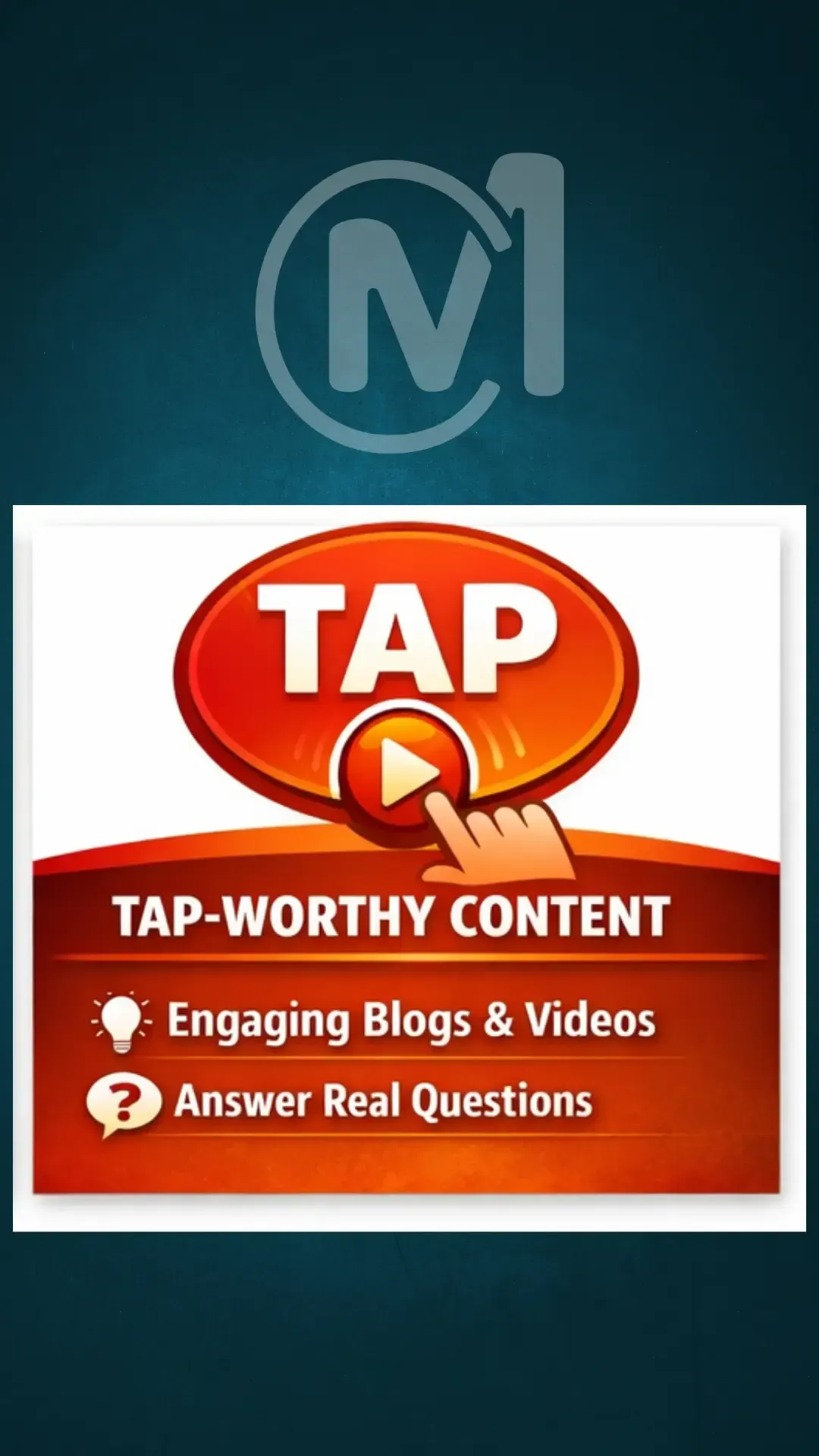
Instead, you need tap-worthy content.
What TAP means
- Write blogs people want to click
- Create videos people want to watch
- Answer real questions customers actually ask
Think:
- “How long does SEO take to work?”
- “Is SEO dead or just changing?”
- “What’s the biggest mistake businesses make with their website?”
This is why content like:
AI pulls from content that:
- Directly answers questions
- Uses clear language
- Removes fluff
- Matches real user intent
TAP is how you become the answer AI pulls from.
Why This Matters More in 2026 Than Ever Before
The Forbes article makes one thing clear: AI is now operating in real time.
That means:
- Decisions happen instantly
- Recommendations happen instantly
- Missed visibility happens instantly
You don’t get weeks to “fix it later.”
If your site isn’t mapped correctly, trusted consistently, and producing meaningful content, AI moves on.
That’s why AIO isn’t replacing SEO—it’s refining it. SEO still matters. But now it has to support AI decision-making, not just rankings.
This is also why many businesses are rethinking pricing models and long-term strategies, as discussed on our SEO pricing and retainers page.
The Real Difference Between Showing Up and Missing the Kick
In football, missing a field goal isn’t always about effort.
Sometimes everything is lined up—but something small breaks.
In digital marketing, that “something small” is often structure.
MAP.
NAP.
TAP.
Miss one, and you miss the kick.
Final Thought: Be Ready When AI Answers
SEO used to help people find websites.
AIO helps AI find your business.
If you want to understand where your business stands today—or why AI isn’t mentioning you yet—you can start by reviewing your structure, consistency, and content.
And if you want help doing that, you can always reach out through our contact page or explore how we approach strategy on our About Custer Marketing page.
Because in 2026, the goal isn’t to be louder. It’s to be clearer—so when AI answers, it says your name.